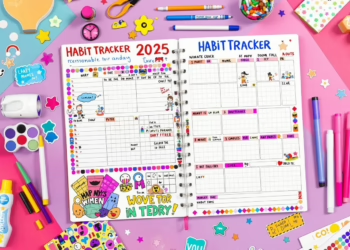




Let’s face it: life can get overwhelming. Finding time for yourself often feels impossible between work, family, and everything else. But building a happier, healthier life doesn’t have to mean a complete overhaul. It’s about small, consistent habits that make a big difference over time. The good news? You can start today. Here are 10 habits to help you feel better in your mind and body.
Key Takeaways
- Meditation helps calm your mind and reduce stress.
- Regular workouts boost energy and improve mood.
- Journaling can clarify thoughts and encourage self-reflection.
- Cutting back on smartphone use creates more time for meaningful activities.
- Getting quality sleep is essential for overall health.
1. Habits to Track – Meditation
Meditation is like hitting the reset button for your mind. It’s not just about sitting quietly; it’s about giving yourself a break from the constant rush of thoughts and stress. It’s one of the simplest habits that can lead to profound changes in your mental and emotional well-being.
Why Meditate?
- Reduces stress and anxiety
- Improves focus and attention span
- Enhances emotional health
- Promotes better sleep
How to Get Started with Meditation:
- Pick a simple technique. If you’re new, try mindfulness meditation. Just focus on your breath—inhale, exhale, repeat.
- Start small. Aim for 5-10 minutes a day. It’s better to be consistent with short sessions than to overcommit and quit.
- Find a quiet spot. It doesn’t have to be fancy. A corner of your room or even a chair will do.
- Make it a habit. Link it to something you already do daily, like meditating right after brushing your teeth.
Meditation isn’t about stopping your thoughts completely. It’s about noticing them without judgment and gently bringing your focus back to the present.
Quick Tip:
If you struggle with consistency, set a timer or use a guided meditation app. It can be a game-changer for beginners. Start small, stick with it, and see how it transforms your day-to-day life.
For more on how meditation can reduce stress and improve focus, explore the benefits and take the first step toward a calmer, happier you.
2. Workout
Working out isn’t just about looking good; it’s about feeling good, too. Regular exercise has a direct impact on your physical and mental well-being. It can boost your mood, reduce anxiety, and even improve your sleep quality. Plus, it’s a fantastic way to build discipline and stay consistent in other areas of life.
How to Make Exercise a Regular Habit
- Start Small: If you’re new to working out, don’t overwhelm yourself. Begin with 10-15 minutes of light activity like walking or stretching a few times a week.
- Find What You Enjoy: Whether it’s yoga, weightlifting, swimming, or dancing, pick something that doesn’t feel like a chore.
- Schedule It: Treat your workouts like any other important appointment. Block out time in your calendar and stick to it.
- Mix It Up: Avoid boredom by trying different activities. One week, go for a jog; the next, hit a Zumba class or try cycling.
- Track Your Progress: Consider keeping a fitness journal or using an app to monitor your workouts. Seeing your improvements can be super motivating.
| Workout Type | Frequency | Benefits |
|---|---|---|
| Cardio (e.g., running, cycling) | 3-5 times/week | Boosts heart health, burns calories |
| Strength Training | 2-3 times/week | Builds muscle, improves metabolism |
| Flexibility (e.g., yoga) | 2-3 times/week | Enhances mobility, reduces injury risk |
Even on days when motivation is low, remind yourself of how amazing you’ll feel afterward. The hardest part is starting, but once you’re moving, it gets easier.
If you’re looking for strategies to form positive habits, incorporating regular exercise into your routine is a great place to start. It’s not about perfection but progress.

3. Journaling
Journaling might just be the simplest way to declutter your mind and find some clarity. It’s like having a conversation with yourself, minus the awkward stares.
Why Journaling Matters
- Clear Your Headspace: Writing down your thoughts can help you organize them, making sense of the chaos.
- Emotional Release: It’s a safe space to vent without judgment.
- Track Your Growth: Over time, you’ll see how much you’ve evolved—both in mindset and life.
Types of Journaling You Can Try
- Stream of Consciousness: Let your thoughts flow freely. No filters, no rules.
- Gratitude Journaling: Write down things you’re thankful for—it’s a quick mood booster.
- Unsent Letters: Draft letters you’ll never send to process emotions or gain closure.
- Prompt-Based Journaling: Use questions like “What made me smile today?” or “What’s one thing I learned?”
Getting Started with Journaling
- Pick a Time: Morning or evening, stick to what works for you.
- Start Small: Even five minutes a day is enough.
- Don’t Overthink It: This isn’t a school essay. Just write.
Journaling is one of those habits that feels small but delivers big results. It’s a moment of mindfulness in a noisy world.
If you’re looking for a way to improve your mental health, journaling offers numerous benefits, from reducing stress to boosting self-awareness. Give it a shot—you might just surprise yourself.
4. Break Smartphone Addictions
Let’s be honest: our smartphones are glued to us. They’re useful, sure, but they can also be a massive time sink and a source of stress. Breaking smartphone addiction isn’t about ditching your phone entirely—it’s about regaining control.
How to Start Reducing Phone Dependence
- Declutter Your Apps: Uninstall apps you don’t need or that encourage endless scrolling. For instance, remove shopping apps or games that eat up hours.
- Turn Off Notifications: Stop your phone from constantly pinging you. Keep notifications only for essentials like calls or texts.
- Set Phone-Free Zones: Make areas like your dining table or bedroom off-limits for your phone.
- Pause Before Picking Up: Whenever you feel the urge to check your phone, ask yourself if it’s really necessary or just a habit.
- Find Offline Hobbies: Engage in activities that don’t require a screen—reading, painting, or even gardening.
Breaking phone addiction isn’t about going cold turkey. It’s about small, intentional changes that help you reclaim your time and focus.
Looking for a fun way to stay accountable? Try games like “phone stack”, where everyone in a group places their phones in a pile, and the first to grab theirs has to buy coffee or do a dare. It’s a lighthearted way to break the habit and enjoy real, face-to-face conversations.
5. Focused Work
Ever feel like your day is just a blur of emails, calls, and random tasks? It’s easy to stay busy but not actually make progress. The real game-changer is carving out time for focused work. This is when you tackle challenging tasks that require your full attention—no distractions, no multitasking.
Focused work lets you get into a state of “flow,” where you’re so immersed in what you’re doing that time seems to disappear. This isn’t just productive; it’s deeply satisfying.
How to Begin Doing Focused Work Every Day:
- Plan your focus time: Decide in advance when you’ll work on your most important tasks. Ideally, block out 1–2 hours daily.
- Set clear goals: Before starting, know exactly what you want to achieve. This prevents aimless effort.
- Prepare your mind: Take a few minutes to relax or meditate before diving in. It helps you concentrate better.
- Use a timer: Work in chunks of 30–50 minutes, then take short breaks. This keeps your energy fresh.
- Eliminate distractions: Silence notifications, close unnecessary tabs, and let others know not to disturb you.
Focused work is like a muscle—you get better at it the more you practice. Start small, and over time, you’ll notice a big difference in how much you can accomplish.
6. Fix Your Sleep
Getting enough rest isn’t just about feeling less tired—it’s about improving your overall well-being. Your body and mind need 7-9 hours of quality sleep each night to function at their best. Without it, you’re more likely to feel irritable, stressed, and less productive. Fixing your sleep isn’t as complicated as it sounds, but it does take some effort.
How to Start Fixing Your Sleep:
- Stick to a Sleep Schedule: Go to bed and wake up at the same time every day, even on weekends. This helps regulate your body’s internal clock.
- Limit Screen Time Before Bed: Turn off screens at least 1-2 hours before bedtime. Blue light from devices messes with your melatonin levels, making it harder to fall asleep.
- Create a Relaxing Bedtime Routine: Try meditating, reading, or journaling to wind down. These activities signal your brain that it’s time to rest.
- Watch What You Eat and Drink: Avoid caffeine after lunch and heavy meals late at night. Both can interfere with your sleep.
- Optimize Your Sleep Environment: Keep your bedroom dark, cool, and quiet. Consider blackout curtains or a white noise machine if needed.
Small changes, like reducing screen time or setting a bedtime alarm to remind yourself to wind down, can make a huge difference in your sleep quality.
By improving your sleep habits, you’re not just boosting your energy—you’re also setting the stage for better mental and physical health. For more tips, aligning your routine with your natural sleep-wake cycle can work wonders.
7. Waking Up Early
Waking up early isn’t just about starting your day before everyone else. It’s about reclaiming quiet, uninterrupted time for yourself to set the tone for the entire day. From boosting your mood to improving productivity, early mornings can be transformative if used wisely.
Why Waking Up Early Matters
- Mental Clarity: Early mornings often come with fewer distractions, allowing you to focus better.
- Health Benefits: Research suggests that early risers tend to have lower risks of depression and better overall health.
- Time for Yourself: Whether it’s meditation, exercise, or reading, mornings are perfect for self-care.
How to Start Waking Up Earlier
- Adjust Your Sleep Schedule: Gradually go to bed earlier to ensure you’re still getting 7-9 hours of sleep.
- Let the Light In: Open your curtains or step outside in the morning to reduce melatonin levels and feel more awake.
- Create a Morning Routine: Plan activities you look forward to, like journaling or stretching, to make waking up enjoyable.
- Avoid the Snooze Button: Place your alarm clock across the room so you have to get out of bed to turn it off.
- Limit Late-Night Disruptions: Steer clear of caffeine, heavy meals, and screens before bedtime.
Early mornings are a chance to start fresh, without the noise of the world pulling you in multiple directions. Use this time to focus on what truly matters to you.
Tracking this habit can help you see how consistent mornings positively affect your mood, focus, and productivity. Start small and give yourself time to adjust!
8. Eating Non-Processed Food

Eating non-processed food isn’t just a trendy idea—it’s a game changer for your health. Highly processed foods are linked to issues like obesity, diabetes, and even heart disease. On the flip side, sticking to whole, natural ingredients can boost energy, improve mood, and help you feel more in control of your eating habits.
Why It Matters
- Processed foods are often packed with added sugars, unhealthy fats, and artificial ingredients.
- Whole foods, like fruits, vegetables, and whole grains, provide the nutrients your body actually needs.
- Research even suggests people who eat fewer processed foods feel happier and more balanced.
Tips to Get Started
- Take it slow. Don’t try to cut out all processed foods overnight. Start by eliminating one or two items like sugary drinks or packaged snacks.
- Read labels. If you can’t recognize most of the ingredients, it’s probably not the best choice.
- Plan your meals. Cooking at home lets you control what goes into your food. Batch cooking can save time and keep you on track.
- Snack smart. Keep nuts, fresh fruit, or veggie sticks on hand so you’re less tempted by chips or candy.
A Simple Comparison Table
| Processed Food | Non-Processed Alternative |
|---|---|
| Soda | Water with lemon or herbal tea |
| White bread | Whole-grain bread |
| Packaged granola bars | Homemade energy bites |
| Frozen meals | Freshly cooked leftovers |
Small, consistent changes can make a huge difference. Swap one processed item for a whole food today, and you’ll feel the benefits sooner than you think.
For more wellness tips and practical advice on healthy habits, check out trending wellness strategies.
9. Reading Books
Reading books isn’t just a pastime; it’s a powerful way to enrich your mind and improve your overall well-being. Spending just 30 minutes a day with a book can transform your knowledge, focus, and even your emotional health.
Why Reading Matters
- Mental Stimulation: Reading keeps your brain active, which can reduce the risk of cognitive decline as you age.
- Improved Focus: In a world full of distractions, reading helps train your mind to concentrate on one thing at a time.
- Stress Relief: A good book can be as calming as a walk in the park or a cup of tea.
- Knowledge Expansion: Every book you read adds to your understanding of the world and broadens your perspective.
How to Include Reading in Your Life
- Replace Screen Time: Swap 30 minutes of scrolling on your phone with a book you enjoy.
- Set a Schedule: Whether it’s in the morning, during lunch, or before bed, make reading a daily ritual.
- Carry a Book Everywhere: Use idle moments—like waiting in line or during your commute—to read a few pages.
“Books are like a software update for your brain. They upgrade your thinking, your vocabulary, and even your empathy.”
Quick Tip
If you read just 30 minutes every day, you could finish a 300-page book in two weeks. Imagine the knowledge you could gain in a year by sticking to this habit.
Start small, stay consistent, and watch how this simple habit can make a big difference in your life. Adjusting reading habits can significantly enhance focus, memory, and intellectual growth.
10. Spending Time on Hobbies
Hobbies aren’t just something to pass the time—they’re a way to reconnect with yourself. Whether it’s painting, gardening, or building model airplanes, hobbies give your brain a break from the grind and let you focus on something that truly makes you happy. They’re like mini-vacations for your mind.
Why Hobbies Matter
- Stress Relief: Doing something you enjoy helps reduce stress and anxiety.
- Skill Building: Many hobbies teach you new skills, like woodworking or knitting.
- Social Connection: Joining a club or group for your hobby can help you meet like-minded people.
How to Find the Right Hobby
- Think About What You Loved as a Kid: Did you enjoy drawing, playing outside, or collecting things? Start there.
- Try Something New: Don’t be afraid to pick up a project kit to learn soap making or gardening.
- Start Small: You don’t need to invest tons of time or money right away. Borrow a book from the library or take a free class online.
Spending time on hobbies isn’t just about having fun—it’s about giving yourself permission to slow down and enjoy life.
Hobbies are also a great way to break out of negative patterns. Platforms like Loopbuster emphasize the importance of breaking cycles and building positive habits, which hobbies naturally support. So go ahead and carve out some time for yourself. You’ve earned it.
Wrapping It Up
Building a healthier and happier life doesn’t have to be complicated. It’s all about the small, consistent steps you take every day. Whether it’s drinking more water, getting outside for a quick walk, or simply making your bed in the morning, these habits add up over time. Sure, it might feel tough at first, but stick with it. The key is to start somewhere and keep going, even if you stumble along the way. Life’s not about being perfect—it’s about making progress. So, pick one habit, give it a shot, and see where it takes you. You’ve got this!
Frequently Asked Questions
Why is meditation important for a healthier life?
Meditation can help reduce stress, improve focus, and enhance emotional well-being. It’s a simple way to bring calmness and clarity to your daily life.
How can I make working out a regular habit?
Start small and choose activities you enjoy. Set a consistent schedule and track your progress to stay motivated.
What’s the benefit of journaling every day?
Journaling helps you organize your thoughts, process emotions, and reflect on your day. It’s a great tool for personal growth and mental clarity.
How can I reduce my smartphone usage?
Set specific times to check your phone, turn off unnecessary notifications, and use apps that track and limit screen time.
What’s the best way to improve sleep quality?
Stick to a consistent bedtime, limit screen time before bed, and create a relaxing nighttime routine to signal your body it’s time to sleep.
Why is eating non-processed food important?
Non-processed foods are packed with nutrients and free from harmful additives. They help improve energy levels and overall health.