



Table of Contents
Reclaim Your Life: A Guide to Digital Detox
Have you ever caught yourself endlessly scrolling through social media, only to realize you have vanished in the blink of an eye? If so, you’re not alone. In our hyperconnected world, it’s easy to become ensnared in the web of technology. Our smartphones, tablets, and computers have grown from simple tools to essential parts of our daily lives. But at what cost? This article delves into the concept of a digital detox and offers practical tips on reclaiming your life from technology.
What is a Digital Detox?
Defining Digital Detox
A digital detox is a period where an individual intentionally steps away from their digital devices to reduce stress, improve mental health, and reconnect with the real world. It involves limiting screen time and switching off non-essential digital interactions.
Benefits of a Digital Detox
- Reduced Stress: Less exposure to constant notifications and online conflicts.
- Improved Sleep: Less blue light from screens contributes to better sleep patterns.
- Enhanced Mental Health: Lower anxiety and depression levels when not constantly comparing oneself to others on social media.
- Better Relationships: More face-to-face interaction fosters deeper personal connections.
The Signs You Need a Digital Detox
Symptoms of Digital Overload
It’s crucial to recognize when technology is taking over. Here are some signs:
- Constant Anxiety: Feeling uneasy without your phone.
- Attention Issues: Struggling to focus on tasks without checking your device.
- Sleep Issues: Trouble falling asleep or frequently waking during the night.
- Physical Strain: Experiencing headaches, eye strain, or neck pain from prolonged screen time.
Personal Anecdote
“I once found myself checking work emails at midnight, unable to switch off. The constant ping of notifications kept me on edge, affecting my sleep and overall mood.”

Steps to Start Your Digital Detox
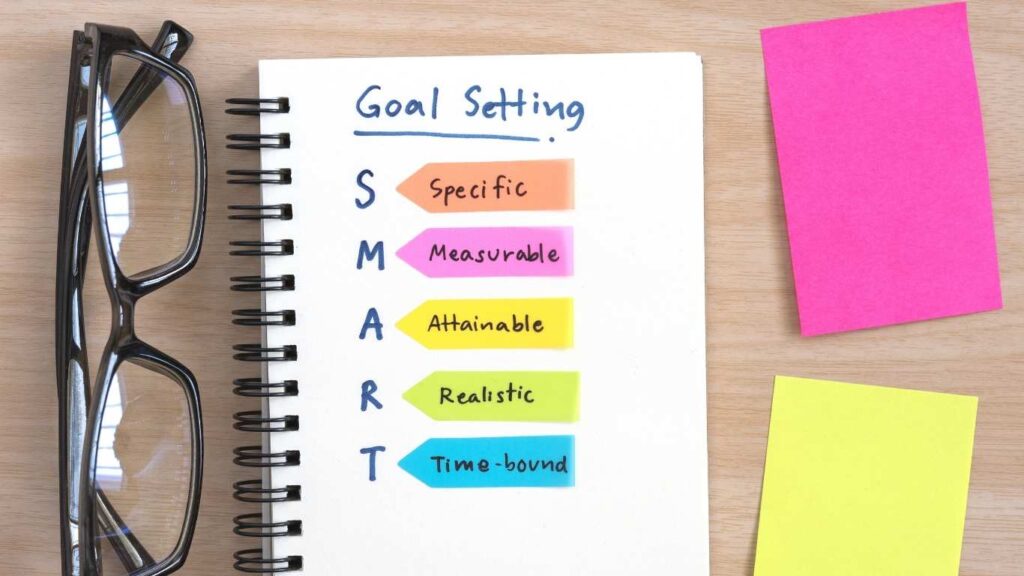
Set Clear Goals
Determine what you aim to achieve. Whether it’s reduced screen time, improved sleep, or better relationships, having clear goals will keep you motivated.
Create No-Tech Zones
Designate specific areas and times as no-tech zones:
- Bedrooms: Promote better sleep by keeping devices out.
- Family Meals: Encourage conversations without digital interruptions.
- Work Breaks: Use breaks to relax and disconnect instead of catching up on social media.
Limit Social Media Usage
Reducing social media use can significantly lower stress and anxiety. Apps like Moment or Screen Time can track your usage and set daily limits.
Practice Mindfulness
Incorporate mindfulness techniques to stay present:
- Meditation: Apps like “Headspace” can guide you.
- Journaling: Putting your thoughts into writing can assist you in processing.
Long-Term Strategies for Digital Balance
Develop New Hobbies
“Fill the gap created by technology with activities that enrich your life.”:
- Reading: Pick up that book you’ve been meaning to read.
- Physical Activities: Engage in sports, yoga, or regular walks.
Schedule Digital Downtime
Incorporate regular intervals of digital downtime into your routine. This can be as simple as an hour before bed or entire weekends free of screens.
Stay Accountable
Share your goals with friends or family and encourage them to join you. Having a support system can make your digital detox more effective and enjoyable.
Conclusion
In a world dominated by screens, reclaiming your life through a digital detox is not just beneficial—it’s essential. From reducing stress to improving relationships, the advantages are manifold. Start small, stay consistent, and watch as you gradually immerse yourself back into the real world.
Take the first step today: Challenge yourself to one hour of screen-free time and feel the difference.
“Here are some tips for managing screen time:” This article on digital wellbeing.
By following these steps, you can take control of your technology use and reconnect with the world around you. What aspect of digital detox intrigues you the most? Share your thoughts in the comments!
👉 Learn more from : 5 Ways to Improve Your Overall Well-bein