


Habits shape so much of what we do daily—sometimes without realizing it. Whether grabbing your phone first thing in the morning or taking a nightly walk, these patterns can either push us forward or hold us back. The good news? You have the power to change them. This article dives into the world of good and bad habits, breaking down how they work and offering practical ways to swap the bad for the good.
Key Takeaways
- Habits are formed through repeated behaviors and cues in your environment.
- Good habits can boost productivity, improve health, and strengthen relationships.
- Breaking bad habits starts with identifying triggers and replacing them with positive actions.
- Small, consistent changes are more effective than drastic overhauls when building good habits.
- Social influences and your surroundings play a huge role in shaping your habits.
Understanding the Science Behind Good Habits Bad Habits
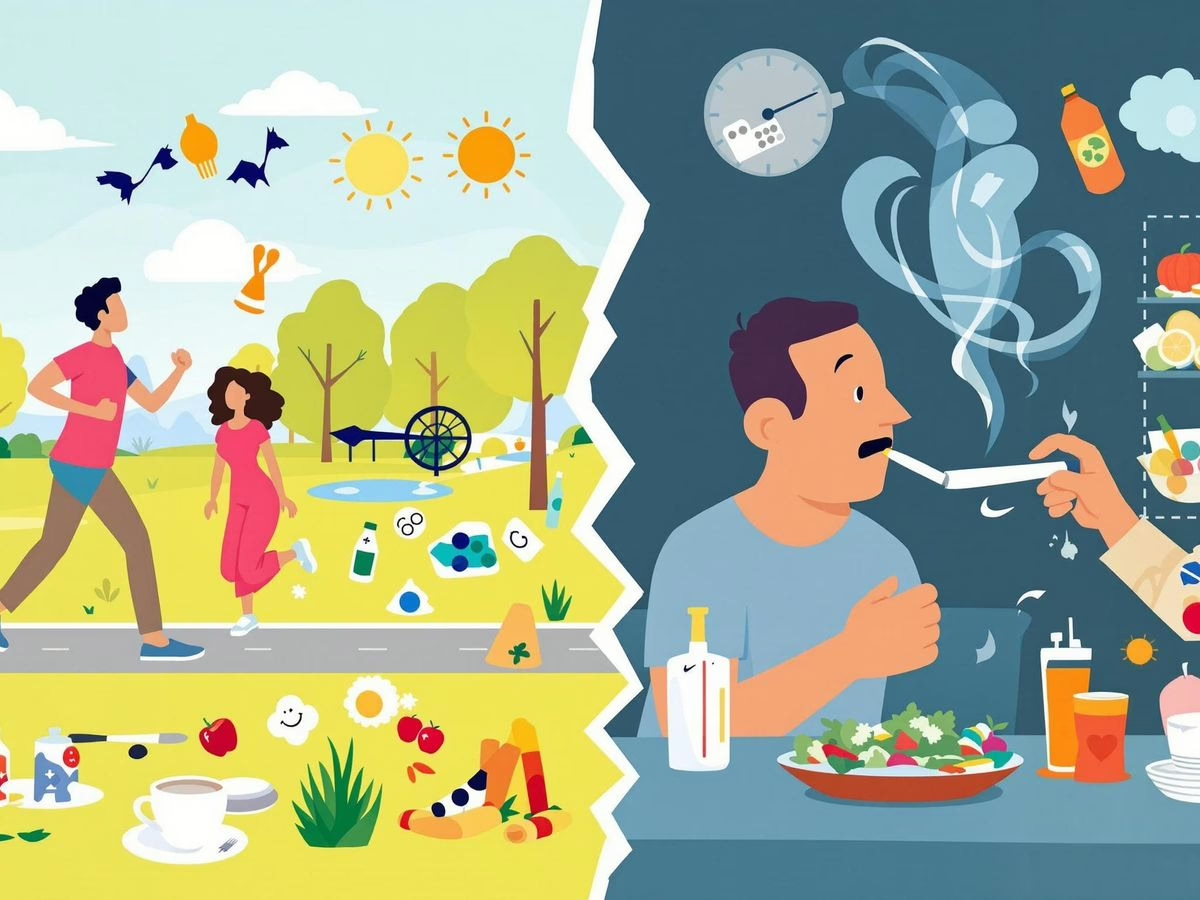
How Habits Are Formed in the Brain
Habits don’t just pop out of nowhere—they’re built over time in the brain. When you repeat an action often enough, your brain starts to treat it like autopilot. This happens in a part of the brain called the basal ganglia, which is in charge of routines and repetitive actions. Your brain loves efficiency, so it creates shortcuts for behaviors you do a lot.
Here’s a simple breakdown of how habits form:
- Cue: Something triggers the behavior, like seeing your phone light up.
- Routine: You perform the action, such as picking up the phone.
- Reward: You get a payoff, like reading a funny text message.
Over time, these steps become so automatic that you don’t even think about them. They’re just second nature.
The Role of Rewards and Cues
Rewards and cues are the building blocks of habits. A cue is like a signal that tells your brain it’s time to act. For example, brushing your teeth might be triggered by the cue of seeing your toothbrush in the morning. The reward? Fresh breath and that clean feeling.
Rewards don’t have to be big—they just need to feel good enough to encourage you to repeat the behavior. Here are some examples:
- Eating a piece of chocolate after a workout (reward).
- Hearing the “ding” of a notification (cue) and checking your phone.
- Smelling coffee brewing and pouring yourself a cup.
Breaking Down Habitual Behaviors
Not all habits are created equal. Some are helpful, like exercising regularly, while others can be harmful, like biting your nails. To understand why you keep doing something, it helps to break it down into its parts: the cue, the routine, and the reward.
If you want to explore the underlying causes of bad behavior, start by identifying what triggers it. For example, if you snack every time you’re bored, boredom is the cue. The routine is grabbing a bag of chips, and the reward is satisfying your craving.
By understanding the science behind habits, you can take control of them instead of letting them control you.
The Impact of Good Habits on Daily Life
Boosting Productivity Through Positive Habits
Good habits can be like autopilot for your day. When you have a morning routine that works, like starting with a quick workout or planning your tasks, you don’t waste time figuring out what’s next. You just do it. Over time, these small actions add up, making you more efficient without even thinking about it. For example:
- Setting aside 10 minutes every evening to plan tomorrow saves hours of indecision.
- Regularly checking your email at specific times reduces distractions.
- Taking short breaks during work boosts focus and creativity.
Enhancing Mental and Physical Health
Your habits directly affect how you feel—both mentally and physically. Eating balanced meals, getting enough sleep, and exercising regularly aren’t just clichés; they’re the foundation of feeling good. On the mental side, practicing mindfulness or gratitude can lower stress levels and improve your outlook. Here’s a quick breakdown:
| Habit | Mental Benefit | Physical Benefit |
|---|---|---|
| Daily meditation | Reduces stress and anxiety | Improves sleep quality |
| Regular exercise | Boosts mood | Strengthens heart health |
| Consistent sleep | Improves focus | Enhances immunity |
Strengthening Relationships with Better Choices
Good habits don’t just help you—they help the people around you. When you make time to call a loved one or consistently show up for your friends, you’re building stronger connections. Even small gestures, like saying “thank you” or actively listening, can make a big difference. Over time, these habits create trust and deepen bonds.
“The little things you do every day can either bring you closer to people or push them away. Choose wisely.”
By focusing on positive habits, you’re not just improving your own life—you’re making life better for everyone around you. If you’re looking for strategies to build these habits, explore effective strategies for forming positive habits.
Identifying and Overcoming Bad Habits
Recognizing Triggers for Negative Behaviors
Bad habits don’t just appear out of nowhere. They’re often tied to specific triggers—whether it’s stress, boredom, or even a particular environment. Start by paying attention to when and where these behaviors occur. Is it after a long day at work? Or maybe it’s when you’re scrolling through your phone late at night. Understanding your triggers is the first step to breaking free.
A quick exercise:
- Write down the habit you want to change.
- Note the time, location, and emotional state when it happens.
- Look for patterns over a week or two.
Strategies to Break the Cycle of Bad Habits
Once you’ve identified your triggers, it’s time to disrupt the cycle. Here are a few approaches:
- Replace, don’t erase: Instead of just stopping a bad habit, swap it with a healthier one. For example, if you tend to snack on junk food, try keeping fruits or nuts within reach.
- Set boundaries: If your habit is tied to a specific environment, like watching too much TV in the living room, consider rearranging the space to make it less tempting.
- Accountability matters: Share your goal with a friend or family member. Knowing someone else is rooting for you can make all the difference.
Replacing Harmful Habits with Positive Ones
Breaking a bad habit is only half the battle; you need to fill that void with something better. For instance:
| Bad Habit | Positive Replacement |
|---|---|
| Smoking during breaks | Taking a short walk |
| Procrastinating at work | Tackling small, quick tasks first |
| Overeating at night | Drinking herbal tea or journaling |
The key is to make the new habit just as rewarding as the old one. It might take some trial and error, but stick with it.
Change doesn’t happen overnight. It’s a process of small, consistent steps. The more you focus on progress rather than perfection, the easier it becomes to let go of what no longer serves you.
And remember, if you’re struggling with a fixed mindset—believing you can’t change—know that it’s just a belief, not a fact. Shifting your perspective can open the door to personal growth and motivation. Learn more about overcoming a fixed mindset.
Practical Steps to Build Good Habits
Starting Small for Long-Term Success
Building good habits doesn’t mean overhauling your entire life overnight. Small, consistent actions often yield the best results over time. For instance, if you want to start exercising, commit to just five minutes a day. Once that feels natural, increase the duration. The key is to avoid overwhelming yourself.
Here’s a simple approach to starting small:
- Pick one habit to focus on.
- Break it into the smallest possible action.
- Celebrate small wins to stay encouraged.
Using Environmental Cues to Your Advantage
Your surroundings play a huge role in shaping your habits. If your environment doesn’t support the habits you want, tweak it. Want to drink more water? Place a water bottle on your desk where you can see it. Trying to read more? Keep a book on your nightstand instead of your phone.
Here are a few ways to adjust your environment:
- Remove distractions that trigger bad habits.
- Use visual reminders for positive behaviors.
- Arrange your space to make good habits easier to follow.
Tracking Progress and Staying Motivated
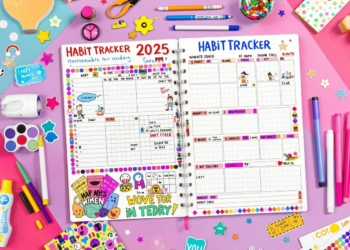
Tracking your habit-building journey can keep you motivated. Whether it’s a simple checkmark on a calendar or using a habit-tracking app, seeing your progress builds momentum. It also helps you identify patterns—like days when you’re more likely to skip.
To stay motivated:
- Set realistic, measurable goals.
- Review your progress weekly.
- Reward yourself for milestones.
Progress isn’t about perfection; it’s about showing up consistently. Even small steps forward are still steps forward.
If you’re looking to break out of negative cycles or improve your lifestyle, platforms like Loopbuster offer mindset coaching and wellness strategies tailored to help you build better habits.
The Psychology of Habit Formation

Understanding Willpower and Its Limitations
Willpower might seem like the magic ingredient for habit-building, but it’s not always reliable. Think of it like a battery—it runs out. When you’re tired, stressed, or overwhelmed, relying solely on willpower to stick to a habit is a losing game. Instead, habits thrive when they’re tied to routines or environments that don’t require constant effort. Setting up systems that reduce decision-making can be a game-changer. For example, laying out your workout clothes the night before removes one barrier to exercising in the morning.
The Role of Repetition in Building Habits
Repetition is the backbone of habit formation. The more often you do something, the more automatic it becomes. This is because your brain loves shortcuts. It’s constantly looking for ways to save energy, and habits are its way of streamlining actions. Whether it’s brushing your teeth or checking your phone first thing in the morning, repetition locks behaviors into place over time. A good rule of thumb? Focus on consistency over intensity. Even a small habit, like drinking a glass of water after waking up, becomes powerful when repeated daily.
How Social Influences Shape Our Behaviors
Humans are social creatures, and our habits often mirror those around us. If your friends are into fitness, you’re more likely to hit the gym. On the flip side, spending time with people who have unhealthy habits can pull you in the same direction. Surrounding yourself with positive influences isn’t just feel-good advice—it’s a practical strategy. And it’s not just about people. Social norms, like wearing a seatbelt or recycling, also play a role in shaping what we do. To build better habits, consider joining a group or community that aligns with your goals.
Habits aren’t just about willpower or motivation—they’re about creating a life that makes the choices you want feel natural and automatic.
Common Myths About Habits Debunked
Why Willpower Alone Isn’t Enough
It’s easy to think that sheer determination can help us stick to new habits or break old ones. But relying on willpower alone is like trying to build a house with just a hammer—it’s not enough. Habits are deeply rooted in our environment, routines, and even subconscious behaviors. While willpower might give you a boost in the short term, it’s not sustainable for long-term change.
Why Willpower Falls Short:
- Limited Resource: Willpower depletes over time, especially when you’re juggling multiple decisions or stressors.
- Environmental Triggers: External cues often overpower internal resolve. For example, a candy bowl at work can derail even the strongest diet intentions.
- Emotional States: Stress, fatigue, or boredom can weaken your ability to stick to a habit.
Instead of relying solely on willpower, focus on creating systems and environments that make good habits easier and bad habits harder.

The Truth About the 21-Day Habit Rule
You’ve probably heard the idea that it takes 21 days to form a habit. Unfortunately, this “rule” is more myth than fact. Research shows that the time it takes to establish a habit varies widely depending on the person and the behavior.
| Habit Type | Average Time to Form (Days) |
|---|---|
| Simple (e.g., drinking water) | 18 |
| Moderate (e.g., daily jogging) | 66 |
| Complex (e.g., meal prepping) | 100+ |
Instead of focusing on a fixed timeline, aim for consistency. The more often you repeat a behavior, the more automatic it becomes.
“Habits aren’t formed by the calendar—they’re formed by repetition and reinforcement.”
Separating Science from Self-Help Myths
The self-help industry is filled with oversimplified advice about habits. While some tips can be helpful, many ignore the complexity of human behavior. Here are a few common myths debunked:
- Myth: You can break a habit by simply stopping it.
- Reality: Habits are tied to cues and rewards. To truly break one, you need to replace it with a better alternative.
- Myth: Motivation is the key to success.
- Reality: Motivation fluctuates. Systems and routines are far more reliable.
- Myth: All habits are created equal.
- Reality: Some habits, like exercising, require more effort and planning than simpler ones, like drinking water.
By understanding the science behind habits, you can avoid falling for quick fixes and focus on strategies that actually work.
For more insights into breaking common misconceptions, check out experts debunking holiday health myths.
Creating a Supportive Environment for Change

Designing Spaces That Encourage Good Habits
Your environment plays a bigger role in shaping your habits than you might think. If you set up spaces that naturally guide you toward positive actions, you’re already halfway there. For example, if you want to eat healthier, keep fruits and nuts on the counter instead of chips or cookies. Want to work out more? Place your exercise gear where you can see it, like next to your bed or desk. Sometimes, the simplest tweaks to your surroundings can create big changes.
Surrounding Yourself with Positive Influences
The people around you can make or break your attempts to change. Spend time with those who inspire you to be better or share similar goals. Whether it’s a friend who’s also trying to quit smoking or a coworker who’s into morning jogs, having a “support squad” keeps you accountable. If you’re surrounded by negativity or people who encourage bad habits, it’s much harder to stay on track. Look for groups, clubs, or even online communities that align with the habits you’re trying to build.
Minimizing Friction for Better Habit Formation
Friction is anything that makes a habit harder to follow. The more effort it takes to do something, the less likely you are to stick with it. To make good habits easier, try reducing the steps involved. For instance, prep your meals in advance if you’re aiming to eat healthier. On the flip side, make bad habits harder to indulge in—like keeping your phone in another room if you’re trying to avoid distractions while working. To build lasting healthy habits, make them convenient by adjusting your environment. This could be as simple as creating a workspace free from distractions or keeping healthy snacks accessible.
“Your surroundings can either help or hinder your goals. Make it easy to do the right thing and harder to fall back into old patterns.”
By reshaping your space and social circles, you set yourself up for success without relying solely on willpower. Small changes add up over time and make a world of difference.
Conclusion
Changing habits isn’t easy, but it’s not impossible either. It’s all about taking small, consistent steps and being patient with yourself. Sure, you’ll mess up sometimes—everyone does—but that doesn’t mean you’ve failed. The key is to keep going, even when it feels tough. Over time, those little changes add up, and before you know it, you’re living a life that feels more aligned with who you want to be. So, start small, stay consistent, and remember: progress, not perfection.
Frequently Asked Questions
What are habits, and why are they important?
Habits are actions we do automatically, often without thinking. They play a big role in shaping our daily lives because they save time and energy.
How long does it take to form a new habit?
It varies for everyone, but research shows it can take anywhere from 21 days to several months to build a habit, depending on the complexity of the behavior.
Why is it hard to break bad habits?
Bad habits are tough to break because they often provide immediate rewards, and our brains get used to the routine. It takes effort and planning to replace them with better habits.
Can I use rewards to build good habits?
Yes, rewards are a great way to encourage new habits. When you reward yourself for a positive action, it reinforces the behavior and makes it more likely to stick.
What should I do when I fail to stick to a new habit?
Don’t be too hard on yourself. Reflect on what went wrong, adjust your approach, and try again. Building habits takes time and patience.
Are there tools or apps that can help with habit tracking?
Yes, many apps like Habitica, Streaks, and others can help you track progress and stay motivated while forming new habits.