



Spending habits are determined by a range of factors, from culture to personal experience. Take a look at your bank to determine whether certain purchases tend to exceed budgeted amounts.
If you find yourself making impulse buys or paying for subscriptions that go unused, try prioritizing expenses more carefully.
Budget Allocation
Adjusting your spending habits can have a dramatic effect on your financial health, but how? A budget allocation can keep expenses under control and help you save for the future. A budgeting app like Albert makes setting up and tracking spending easy – plus automate savings to move closer towards reaching goals!
Budget allocations are critical for companies, as they establish the maximum amounts each department can spend on resources such as software licenses, hiring contractors or freelancers and advertising campaigns. Balancing these needs with other priorities in your company may prove challenging, but careful planning makes this achievable.
Budget allocation requires understanding the differences between needs and wants. Needs may include essential expenses like rent/mortgage payment, utilities, food and transportation to work/school. Wants may include things that make life more enjoyable, such as cable television subscriptions, new clothes or entertainment services. It is best to prioritize meeting essential expenses before allocating any of your income towards wants.
Review your budget frequently and plan for unexpected expenses. Some people use an envelope system, where cash is allocated for different expense categories and only used according to what’s in each envelope. This method works best with a steady monthly income and people who are comfortable keeping meticulous records.
Other budgeting techniques, like using a credit card to track purchases or opening up a savings account, may also prove helpful for some individuals. But remember to stay consistent in your efforts – spending habits are hard to break and taking small steps each day towards improving them can bring long-term financial security.
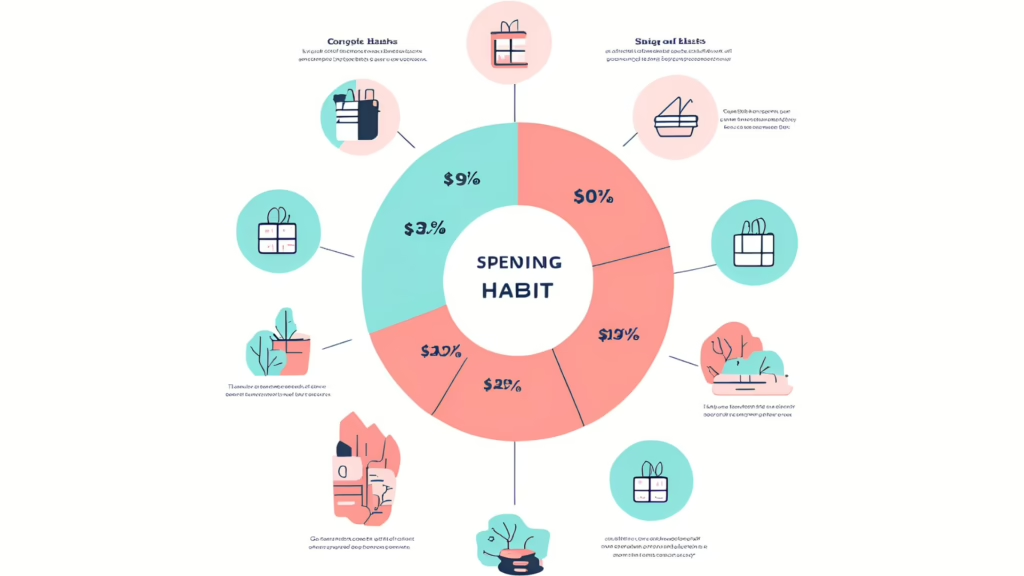
How to Control
Today’s world of one-click purchasing and two-day shipping can make it all too easy to let spending slip away, but taking steps to curb bad spending habits will help you meet your financial goals and avoid future stress.
Make an audit of your bank and credit card statements to identify any bad habits. Be particularly wary of purchases you regret or impulse buys that consume budgeted funds, then create a list of areas in which improvements could be made.
Consumption of bottled water may be straining your budget due to its cost and wastefulness, so buying reusable bottles, drinking tap water instead, or purchasing bulk water at stores are ways you can cut expenses. Furthermore, emotional buyers who feel the urge to purchase something just because it makes them feel good should pause before making non-essential purchases for 24 hours and see if their desire remains the same afterwards.
Developing better spending habits can also help you meet your savings and debt repayment goals. For example, if you find yourself eating out too frequently, cook at home more often and save leftovers to take to work for lunch instead. If shopping online becomes excessively addictive, block accounts that encourage excessive spending.
Overall, the goal is to help you spend wisely or alter your current spending habits so you can have enough funds available for essentials such as emergency savings, short-term goals and retirement. To achieve this, it may help to remind yourself how your poor spending choices have negatively impacted your life – such as surprise credit card bills or stress from living beyond your means – before envisioning how good it would feel to get your spending under control and use that motivation.
Reviewing Your Budget and Spending Habits
Review your budget and spending habits regularly, in addition to checking account balances, in order to identify patterns in your behaviour that you can alter for the better. A regular review could reveal things like overspending due to boredom, during which review sessions could help identify ways that this could happen and take steps such as cancelling Netflix or finding free entertainment opportunities such as community event listings and researching local restaurant deals for group nights out with friends.
As your debts continue to accrue interest and you pay more than the minimum installment on some accounts, it is essential that you remain informed on their status so as to get them under control and eventually repay them off. In order to do this effectively, take time to review possible debt repayment plans available to you.
Your fixed expenses, such as mortgage payments, car payments and utilities, should match up with how much money comes into your budget each month. For those without time for full budgeting reviews, many financial services providers have tools that automatically categorize spending and income for you – for instance, Bank of America offers its Spending & Budgeting tool on mobile and online banking platforms to do this automatically for customers.
Reviewing your savings and investment accounts is also a good opportunity to assess their health, identifying any areas where savings or investing could be increased. One simple strategy for increasing savings would be paying yourself first – that is, adding money directly into savings/investments before spending any of it on anything else.