



Did you know that your metabolism significantly influences your weight and overall health? Studies indicate that people with a faster metabolism burn more calories, even while resting, making it easier to manage a healthy weight.
Metabolism encompasses the chemical processes in your body that transform food and beverages into energy. It directly affects your energy levels and how effectively your body burns calories.
This post aims to provide you with scientifically backed strategies for boosting your metabolism, helping you achieve better health, and potentially aiding in weight management.
Table of Contents
1. Build Muscle with Strength Training

Building muscle mass is one of the most efficient ways to enhance your resting metabolic rate (RMR). It burns more calories even while at rest.
Science Behind It
Studies have consistently shown a strong link between muscle mass and metabolic rate. For instance, a study published in the Journal of Applied Physiology found that a 10% increase in muscle mass led to a 7% increase in RMR.
Actionable Tips
- Incorporate weight lifting or resistance training into your routine 2-3 times weekly.
- Prioritize compound exercises such as squats, deadlifts, and bench presses.
2. Incorporate High-Intensity Interval Training (HIIT)

HIIT features short bursts of high-intensity exercise followed by rest or low-intensity activity intervals. This type of workout differs from traditional cardio as it pushes your body to work at its maximum capacity for short periods.
Benefits for Metabolism
HIIT can induce the “afterburn effect,” scientifically referred to as excess post-exercise oxygen consumption (EPOC). This allows your body to burn more calories at an increased rate even after your workout is complete.
Actionable Tips
- Include brief intervals of high-intensity activity followed by rest or low-intensity exercise.
- For example, a workout consists of a 30-second sprint and a 1-minute walk, repeated for 15-20 minutes.
3. Eat Enough Protein
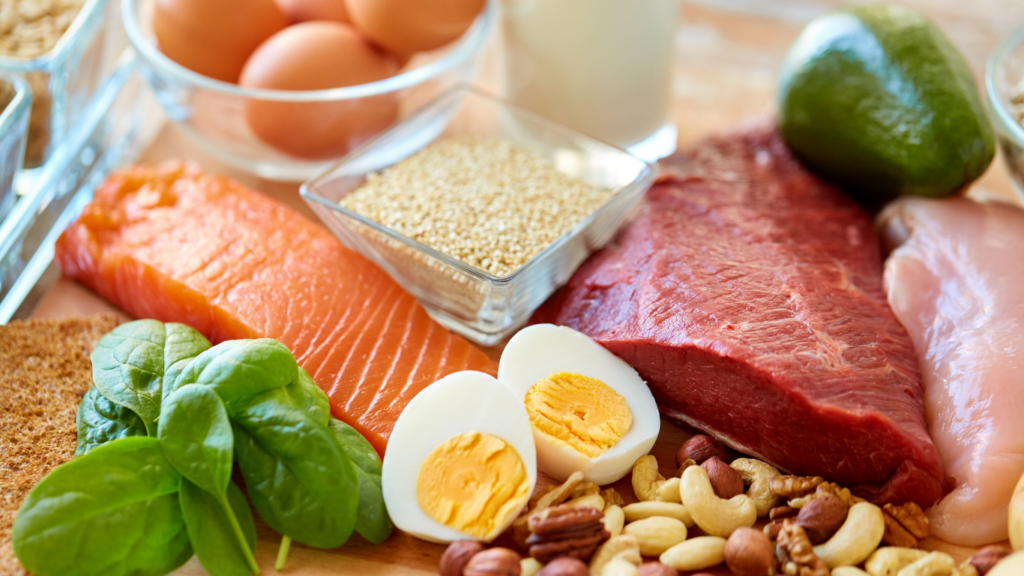
Protein plays a key role in metabolism by enhancing the thermic effect of food (TEF) and preserving muscle mass. TEF is defined as the energy that your body uses to digest, absorb, and process nutrients.
Benefits for Metabolism
- Protein requires more energy to digest than both fats and carbohydrates.
- It helps reduce muscle loss during weight loss, essential for maintaining a healthy metabolism.
Actionable Tips
- Target 20-30 grams of protein per meal.
- Include sources like lean meats, eggs, dairy, legumes, and tofu.
4. Stay Hydrated

Water is essential for numerous metabolic processes in your body. Staying well-hydrated can optimize these processes and boost your metabolism.
Benefits for Metabolism
- Drinking water temporarily boosts metabolism by increasing energy expenditure.
- Dehydration can slow down metabolism, making it harder for your body to burn calories efficiently.
Actionable Tips
- Have a glass of water before meals to support digestion.
- Aim for 8-10 glasses of water a day.
5. Get Enough Sleep

Sleep is crucial for regulating hormonal balance and supporting metabolic health. Lack of quality sleep can disrupt various metabolic processes in your body.
Impact on Metabolism
Insufficient sleep can disrupt hormones like leptin and ghrelin, which regulate appetite and metabolism. This disruption may cause heightened hunger and a slower metabolism.
Actionable Tips
- Try to achieve 7-9 hours of quality sleep each night.
- Establish a regular sleep schedule and implement a bedtime routine.
6. Drink Green Tea or Coffee

Green tea and coffee have compounds that could potentially enhance your metabolism. Caffeine in coffee and catechins in green tea have been shown to have metabolism-enhancing properties.
Benefits for Metabolism
- Caffeine can increase fat-burning and energy expenditure.
- Green tea may enhance fat oxidation, helping your body use fat for energy more efficiently.
Actionable Tips
- Drink 1-2 cups of green tea or black coffee daily, preferably in the morning.
- Avoid adding too much sugar or high-calorie creamers.
7. Eat Small, Frequent Meals

Distributing your calorie intake throughout the day can help maintain consistent energy levels and keep your metabolism active.
Benefits for Metabolism
- It helps prevent overeating and keeps metabolism active.
- Maintaining stable blood sugar levels can prevent energy crashes and excessive hunger.
Actionable Tips
- Aim for 4-6 smaller meals or healthy snacks throughout the day.
- Incorporate a balance of protein, healthy fats, and complex carbohydrates in each meal.
Conclusion
To boost your metabolism:
- Consider incorporating strength training, HIIT workouts, adequate protein intake, proper hydration, sufficient sleep, green tea or coffee consumption, and eating smaller, more frequent meals.
- Remember, sustainable changes take time.
- Start implementing one or two of these strategies and gradually incorporate more as you become comfortable.
We’d love to hear about your experiences with these metabolism-boosting strategies. Feel free to share your favourite tips or personal experiences in the comments below. For more health and wellness content, don’t forget to subscribe to our blog.
FAQs
Can metabolism really be increased?
While factors like genetics and age influence your base metabolic rate, you can boost your metabolism through lifestyle changes such as those discussed in this post.
What are the signs of a slow metabolism?
Common signs include persistent fatigue, weight gain despite not changing diet or exercise habits, dry skin, hair loss, and constantly feeling cold.
Myth Busting
Myth: Eating late at night slows down your metabolism
Fact: Your metabolism doesn’t shut off at night. What matters more is your total calorie intake over 24 hours, not when you eat those calories.

Myth: Drinking cold water boosts metabolism
Fact: While drinking water can slightly increase metabolism, the temperature of the water doesn’t significantly impact this effect.
See more about healty Tips : Digital Detox