



Ever feel like you’re stuck in a rut, trying to make significant changes, but nothing seems to stick? James Clear’s book “Atomic Habits” is a game-changer. It’s all about how tiny, consistent actions can snowball into massive transformations over time. These Atomic Habits quotes from the book aren’t just words—they’re little sparks of wisdom to help you rethink your habits and start building the life you want.
Key Takeaways
- Small actions, done consistently, lead to big results over time.
- Your identity shapes your habits, and your habits reinforce your identity.
- The environment you create can make or break your habits.
- Focus on systems, not just goals, to drive lasting change.
- Incremental improvements, even just 1% better each day, can compound into remarkable outcomes.
1. Atomic Habits
Atomic Habits is all about the power of small changes. It’s not about making one huge leap but instead taking tiny, consistent steps that add up over time. James Clear’s idea is simple: focus on improving by just 1% every day, and over time, the results can be massive.
Here are a few key takeaways:
- Small habits, repeated daily, have a compounding effect over time.
- Your habits shape your identity, and vice versa.
- Systems are more important than goals because they create the framework for success.
Building good habits isn’t about being perfect; it’s about showing up and doing the work, even when it’s hard.
If you’re struggling with self-doubt, consider practicing positive self-talk. Treat yourself like you would a close friend—with patience and encouragement. This mindset can make it easier to stick to your habits and keep going when things get tough.
2. Self-Improvement
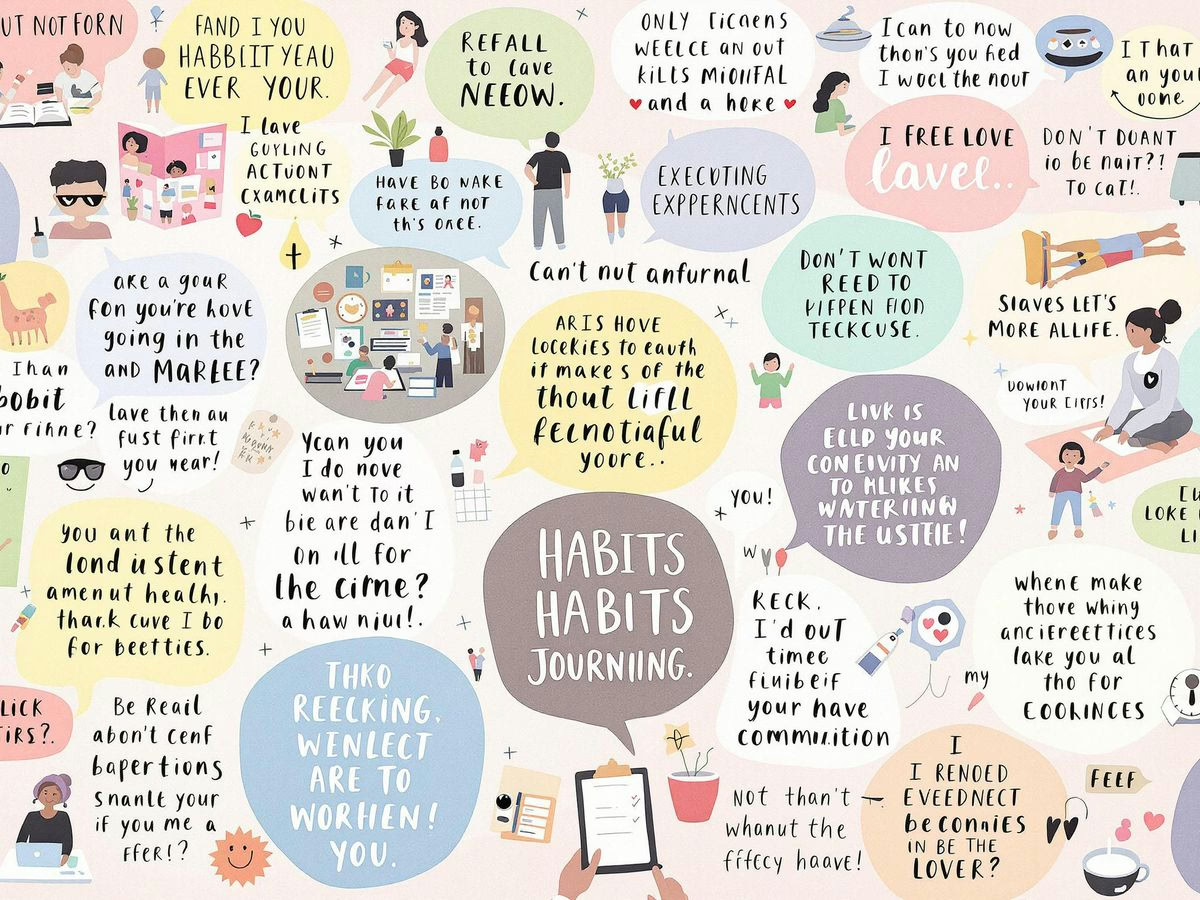
Self-improvement is a journey, not a destination. It’s about making small, meaningful changes that add up over time. Success in self-improvement lies in consistent effort, not perfection. Here’s what you need to know to get started:
Key Principles of Self-Improvement
- Start Small: Big changes can feel overwhelming. Instead, focus on small, manageable habits that you can stick to.
- Track Your Progress: Keeping a record of your efforts helps you stay motivated and see how far you’ve come.
- Be Patient: Growth takes time. Don’t expect overnight results; instead, trust the process.
Example of Small Changes Leading to Big Results
| Habit Change | Daily Effort | Long-Term Impact |
|---|---|---|
| Walking 10 minutes | Minimal | Improved physical health |
| Reading 5 pages | Minimal | Finished multiple books |
| Drinking more water | Minimal | Better energy and focus |
Self-improvement doesn’t mean fixing everything at once. It’s about focusing on one small win at a time and building momentum.
For those looking to reshape their mindset and overcome limiting beliefs, mindset coaching can be a powerful tool. It’s not about perfection—it’s about progress.
3. Atomic Habits Quotes – Consistency

Consistency is the glue that holds success together. Think of it as the quiet force behind every major achievement. You don’t need to be perfect every day, but showing up regularly makes all the difference. Small actions, repeated over time, can lead to monumental changes.
Why Consistency Matters
- It builds momentum: The more you stick with a habit, the easier it becomes.
- It compounds over time: Tiny efforts add up to significant results.
- It creates trust in yourself: Consistency proves you can rely on your own discipline.
Practical Tips for Staying Consistent
- Start small. Focus on manageable tasks that you can sustain daily.
- Track your progress. Whether it’s a journal or an app, seeing your streak grow is motivating.
- Plan for setbacks. Life happens—what’s your plan to get back on track?
Success isn’t about grand gestures; it’s about showing up, day after day, even when it’s hard.
If you’re aiming for better health, for example, try adopting practical wellness tips that fit into your busy life. Consistency in small steps—like drinking more water or walking daily—can transform your well-being over time.
4. Behavior Change
Changing behavior isn’t about flipping a switch; it’s more like steering a slow-moving ship. The process starts with awareness. You need to recognize what you’re doing before you can decide to do something differently. This is where small, intentional actions can lead to lasting results.
The Four Laws of Behavior Change
- Make it Obvious: If you want to start a new habit, make the cues for it easy to spot. For example, leave your running shoes by the door if you’re trying to jog in the morning.
- Make it Attractive: Pair your habit with something enjoyable. If you dread working out, listen to your favorite podcast while you exercise.
- Make it Easy: Start small. The “Two-Minute Rule” suggests that any new habit should take less than two minutes to begin.
- Make it Satisfying: Reward yourself, even in small ways, to reinforce the habit. Immediate positive feedback can go a long way.
The Role of Environment
Your surroundings play a huge role in shaping your habits. As the saying goes, “The key to behavior change is not willpower but redesigning your environment.” If you’re trying to eat healthier, stock your kitchen with fruits and vegetables instead of chips and cookies. The easier it is to make the right choice, the more likely you are to stick with it.
Change doesn’t have to be monumental to be effective. It’s the small, consistent adjustments that build momentum over time.
By focusing on these principles, you can improve your system for change and create habits that stick.
5. Identity
Your habits aren’t just actions—they’re reflections of who you are. Every small choice you make is like casting a vote for the kind of person you want to be. The more you repeat these actions, the more they reinforce your identity.
Building Identity Through Habits
- Start by asking yourself, “What kind of person do I want to become?”
- Align your habits with that vision. For example:
- Want to be healthier? Go for a walk instead of taking the car.
- Want to be more organized? Make your bed every morning.
- Want to be a reader? Read just one page a day.
- Remember, consistency matters more than intensity.
Why Identity Matters
When you focus on identity, it shifts the way you think about habits. Instead of aiming for specific outcomes, you’re building evidence for a new version of yourself. This is why habits are powerful—they’re not just about productivity or goals. They’re about becoming the person you aspire to be.

The actions you take today shape the story you tell yourself tomorrow.
Practical Tip
Carry a simple question with you: “What would the person I want to become do in this situation?” Let that guide your actions. It’s a small mental shift, but it can lead to meaningful change.
For more strategies on forming habits, check out effective strategies for forming positive habits.
6. Environment
Your surroundings play a massive role in shaping your habits. Often, the environment either nudges you toward success or pulls you away from it. The key to lasting behavior change isn’t willpower—it’s designing an environment that makes good habits easy and bad habits hard.
Tips for Designing a Productive Environment
- Remove Temptations: Keep distractions out of sight. For instance, if you’re trying to eat healthier, don’t stock your pantry with junk food.
- Add Visual Cues: Place reminders where you can see them. Want to read more? Leave a book on your nightstand.
- Simplify Access: Make the things you want to do more convenient. If you’re learning guitar, keep it within reach instead of stashed in a closet.
Environment and Mindset
Your environment doesn’t just affect what you do—it shapes how you think. A cluttered space can lead to a cluttered mind, while an organized one fosters clarity and focus. By taking control of your surroundings, you’re essentially taking control of your potential.
Small adjustments to your environment can lead to big changes in your habits over time. Start small, and let the results build momentum.
Loopbuster offers great insights on breaking negative cycles by helping you rethink both your mindset and financial habits. It’s a practical way to align your environment with your goals.
7. Systems
When it comes to achieving success, systems often matter more than goals. Goals set the direction, but systems create the path. Here’s why focusing on systems can be a game-changer:
Why Systems Matter
- Consistency Over Time: Systems help you show up and do the work every day, whether you feel like it or not. It’s about building a routine that supports progress.
- Focus on the Process: Goals are about outcomes, but systems are about the actions you take to get there. For example, instead of aiming to “write a book,” a system might be “write 500 words every morning.”
- Adaptability: Systems can evolve as your needs change. They’re flexible, allowing you to adjust while still keeping you on track.
Key Insights on Systems
- “You do not rise to the level of your goals. You fall to the level of your systems.”
- “The purpose of setting goals is to win the game. The purpose of building systems is to continue playing the game.”
Small, consistent actions can lead to massive results over time. It’s not about perfection; it’s about showing up and sticking to your system.
Practical Steps to Build Better Systems
- Identify Your Current Habits: Take a close look at what you’re already doing. Are your habits supporting or hindering your goals?
- Start Small: Don’t try to overhaul everything at once. Focus on one habit or routine to improve.
- Track Your Progress: Use a journal or app to keep tabs on how well you’re sticking to your system. Adjust as needed.
Remember, success isn’t about one big leap. It’s the result of a well-designed system that keeps you moving forward every single day.
8. Goals

Goals are a great way to define where you’re headed, but they’re not the whole story. The real magic happens in the systems you create to reach those goals. Think of it this way: a goal might set the destination, but your habits and systems are the vehicle that gets you there.
Why Goals Matter
Goals give you clarity. They help you filter opportunities and decide what’s worth your time. For example, if your goal is to get healthier, it’s easier to say no to habits that don’t align with that vision. But here’s the catch: goals alone don’t guarantee success.
Systems Over Goals
- You don’t rise to the level of your goals; you fall to the level of your systems.
- Systems focus on the process, not just the outcome. For instance, instead of aiming to lose 20 pounds, focus on building a habit of daily exercise and balanced eating.
- Systems create consistency, which is what actually moves the needle over time.
Common Pitfalls of Goal-Setting
- Tunnel Vision: Focusing too much on the goal can make you overlook the small wins along the way.
- Short-Term Thinking: Once you hit a goal, what’s next? Without a system, it’s easy to lose momentum.
- Pressure to Succeed: Goals can feel like a pass/fail test, which sometimes leads to guilt or burnout.
Progress isn’t about hitting a single milestone. It’s about showing up every day and sticking to the process that leads you forward.
In the end, persistence and flexibility are essential for achieving success, as it may come in unexpected forms. Goals are a tool, not the whole toolbox. Use them wisely, but don’t forget to build the systems that keep you moving forward.
9. Motivation
Motivation is a tricky thing. It can feel like a burst of energy one day, and the next, it’s nowhere to be found. So how do you keep going when that initial spark fades? The answer lies in building habits that don’t rely on motivation alone.
Why Motivation Isn’t Everything
- It’s unreliable. One day, you’re pumped to hit the gym, and the next, you’re hitting snooze.
- It’s temporary. Motivation can help you start, but it’s rarely enough to keep you consistent.
- It’s emotional. Your mood or external circumstances often dictate how motivated you feel.
Instead of waiting for motivation to strike, focus on creating systems that support your goals. For example, if you want to save money, automate your savings. Don’t rely on “feeling like it.”
The Goldilocks Rule
This principle suggests that we’re most motivated when tasks are just challenging enough—not too easy, not too hard. If you’re trying to improve your finances, for instance, start with something manageable, like cutting one unnecessary expense per week. Small wins keep you engaged without overwhelming you.
Sustainable progress beats short-lived bursts of effort every time. Build a system that works even on your worst days.
Progress Fuels Motivation
Ever notice how accomplishing something—even something small—makes you want to keep going? That’s because progress is a powerful motivator. Each step forward reinforces your belief that change is possible.
Example Table: Motivation vs. Systems
| Aspect | Motivation | Systems |
|---|---|---|
| Dependability | Unreliable—comes and goes | Reliable—runs automatically |
| Longevity | Short-term | Long-term |
| Effort | Requires constant emotional energy | Requires setup, then minimal effort |
If you’re looking to improve your financial habits, for example, exploring passive income strategies could be a game-changer. These strategies don’t just rely on bursts of motivation; they’re designed to work in the background, building wealth over time.
10. Incremental Change
Change doesn’t have to be dramatic to matter. Small, consistent improvements can compound into extraordinary results over time. Think of it like planting seeds. You won’t see the tree grow overnight, but with care and patience, it will eventually provide shade, fruit, or beauty.
Why Incremental Change Works
- Momentum Builds Over Time: Each small improvement adds up like drops filling a bucket. It’s not about perfection but persistence.
- Less Overwhelming: Tackling big goals in tiny steps makes them feel doable, reducing stress or procrastination.
- Sticking Power: Small habits are easier to maintain, meaning you’re more likely to stick with them long-term.
Examples of Incremental Change in Action
| Habit | Daily Effort | Long-term Impact |
|---|---|---|
| Reading 10 minutes | 5 pages/day | 12 books/year |
| Saving $5/day | $150/month | $1,800/year (plus interest if invested) |
| Walking 15 minutes | ~1,000 extra steps | Improved cardiovascular health over years |
“Small habits may seem insignificant on any given day, but the impact they deliver over months and years can be enormous.”
The beauty of incremental change is its accessibility. Anyone can start small. Whether it’s reading a single page, doing one push-up, or saving a few coins, these tiny actions can lead to big transformations.
For more on how habits shape identity and outcomes, check out Atomic Habits quotes about identity.
Wrapping It Up
So, there you have it—10 quotes from Atomic Habits that can really make you think about how you approach your daily routines. The beauty of these ideas is that they’re simple but powerful. You don’t need to overhaul your entire life overnight. Instead, focus on those small, consistent actions that add up over time. Whether it’s building a new habit or breaking an old one, the key is to just keep showing up. Remember, progress isn’t about being perfect—it’s about being persistent. Start small, stay steady, and watch how those little changes can lead to something big.
Frequently Asked Questions
What is the main idea of Atomic Habits?
Atomic Habits focuses on the power of small, consistent actions to create significant changes over time. It emphasizes building good habits and breaking bad ones through practical strategies.
How can I start building better habits?
Start small and focus on one habit at a time. Make it easy to do, tie it to an existing routine, and reward yourself for sticking to it.
Why is consistency important in forming habits?
Consistency helps your brain recognize patterns and makes new habits automatic over time. Even small efforts add up when done regularly.
What role does the environment play in shaping habits?
Your environment can make or break your habits. By designing a space that encourages good habits and discourages bad ones, you set yourself up for success.
How do identity and habits connect?
Habits shape your identity over time. When you consistently act in line with the person you want to become, you reinforce that identity.
Can small changes really make a difference?
Yes! Small changes, when repeated consistently, compound over time to create big results. This is the essence of the ‘1% better every day’ concept.