



Do you ever feel like your finances are slipping through your fingers no matter how much you try to save? If so, you’re not alone.Managing money can be difficult, especially without a plan to guide you. That’s where a monthly budget template becomes useful. This article will explore ten ways to save money using a monthly budget template. By the end, you’ll be equipped with practical tips that can help you take control of your finances and start saving effectively.
Table of Contents
Understand Your Income and Expenses
Track All Income Streams
Before creating a budget, it’s crucial to understand your income clearly. This includes:
- Your main salary
- Side hustles or freelance work
- Interest from savings accounts
- Rental income
- Any other sources
Knowing your total income allows you to set a realistic budget.
Categorize Your Expenses
Next, list out all your expenses. Dividing them into categories can help:
- Fixed Expenses: Rent, mortgage, car payments, etc.
- Variable Expenses: Groceries, utilities, gas, entertainment
- Discretionary Spending: Dining out, hobbies, vacations
“A clear understanding of income and expenses is the cornerstone of an effective budget.”
Set Clear Financial Goals
Short-Term vs. Long-Term Goals
Differentiate between short-term and long-term financial goals:
- Short-term: Pay off credit card debt, build an emergency fund
- Long-term: Save for retirement, buy a house, fund a child’s education
SMART Goals
Ensure your goals are SMART (Specific, Measurable, Achievable, Relevant, Time-bound). For example: “Save $500 for an emergency fund in 3 months” is SMART.
Prioritize Savings
Automate Savings
Schedule automatic transfers to your savings account every time you receive a paycheck. This method ensures you save first and spend later.
Create a Savings Buffer
Always aim to maintain a buffer to tackle unexpected expenses, preventing you from dipping into your savings.
“Pay yourself first by automating savings; your future self will thank you.”
Use Budgeting Tools
Explore Apps
Budgeting apps like Mint, YNAB (You Need A Budget), and EveryDollar can automate tracking and offer insights into your spending habits.
- Mint: Integrates with bank accounts, offers spending insights
- YNAB: Helps prioritize each dollar, promotes savings
Spreadsheet Templates
If you prefer more control, opt for spreadsheet templates available through Google Sheets or Excel. They often come with pre-built formulas and categories.
Monitor and Adjust Regularly
Monthly Reviews
Set aside time each month to review your budget. Check if your spending aligns with your set goals and make necessary adjustments.
Quarterly Adjustments
Sometimes, unexpected changes like a rise in utility costs or a new membership can affect your budget. Reviewing quarterly can help you keep things balanced.
“Regular budget reviews ensure you’re on track and adapting to changes.”
Cut Unnecessary Expenses
Cancel Unused Subscriptions
Have a look at your subscriptions. Are you still using all of them? Services like Truebill can identify and cancel unused subscriptions.
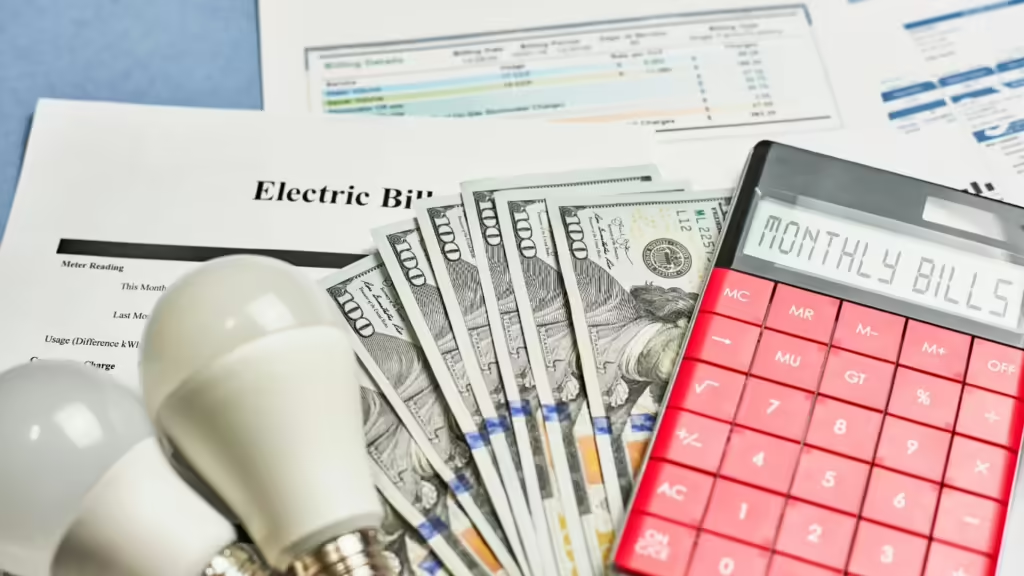
Reduce Utility Bills
Simple adjustments like using energy-efficient bulbs, programmable thermostats, or short showers can reduce utility bills.
Eat Out Less
Cooking at home not only saves money but is typically healthier. Set a goal to replace some restaurant meals with home-cooked ones.
Implement the Envelope Method
How It Works
Divide your budget into categories and allocate cash into envelopes for each category. Once the cash is gone, you can’t spend more in that category for the month.
Benefits
This method helps control overspending and stays within budget limits.
“The envelope method instils discipline by limiting spending to the cash you have on hand.”
Leverage Discounts and Deals
Use Coupons and Cashback Apps
Apps like Honey, Rakuten, or Swagbucks can find coupons and offer cashback on purchases.
Shop Sales and Clearance
Plan your bigger purchases around seasonal sales or clearance events for significant savings.

Limit Credit Card Use
Pay with Cash or Debit
Using cash or debit cards can prevent overspending, as you’ll be more conscious of the money you have rather than borrowing.
Pay Off Credit Card Debt
High-interest credit card debt can quickly deplete your savings. Prioritize paying off your debt to free up more money for your budget.
Seek Professional Guidance
Financial Advisors
Sometimes, it’s worth getting professional advice. A financial advisor can help tailor a budget to your needs and goals.
Relevant Courses or Workshops
Look for personal finance courses or workshops. Many of them can provide invaluable information and strategies.
“Professional guidance can offer tailored advice and enhance your financial literacy.”
Conclusion
Using a monthly budget template, you can transform your approach to money management. Knowing your income and expenses, setting clear goals, and consistently tracking your budget are key steps toward achieving financial freedom. Remember, the goal isn’t to restrict your spending but to make smarter choices with your money. Start today and see the difference a well-planned budget can make.
Ready to start your budgeting journey? Download your free monthly budget template now and take control of your finances!
Check out Investopedia’s Guide to Budgeting for further reading on managing personal finances.
This post draws upon general budgeting principles and personal finance practices. Always consider seeking advice from financial professionals for personal financial matters.
Want to learn more? see this article : 5 Proven Apps to Track Daily Expenses on Android
Useful Resources
Here are some valuable tools and resources to help you master budgeting, saving, and managing your finances effectively:
- Mint Budgeting Tool: Mint.com
A free app for tracking spending and managing your finances. - YNAB (You Need a Budget): YouNeedABudget.com
A comprehensive budgeting tool to help you allocate your money effectively. - Google Sheets Budget Templates: Google Sheets Budget Templates
Free and customizable templates for creating your own monthly budget. - Investopedia – Budgeting Guide: Investopedia: Budgeting
A detailed guide on different budgeting methods and strategies. - NerdWallet – How to Make a Budget: NerdWallet: Budgeting Guide
A step-by-step guide to creating a budget that suits your needs. - Dave Ramsey – Financial Peace University: Dave Ramsey: Financial Peace University
A course offering tools and techniques for managing finances, reducing debt, and building wealth. - The Balance – Smart Savings Tips: The Balance: Saving Tips
Tips and tricks for saving money and building an emergency fund. - Fidelity – Investing Basics: Fidelity: Investing Basics
Resources on how to start investing and build a diversified portfolio. - Bankrate – Best High-Yield Savings Accounts: Bankrate: Savings Accounts
A list of high-yield savings accounts to maximize your savings. - SmartAsset – Find a Financial Advisor: SmartAsset: Find an Advisor
Connect with financial advisors for personalized guidance based on your financial goals. - Debt.org – Debt Management Plans: Debt.org: Debt Management
Information on managing and reducing debt through various strategies. - National Foundation for Credit Counseling (NFCC): NFCC.org
A non-profit organization offering free and low-cost financial counseling and education.